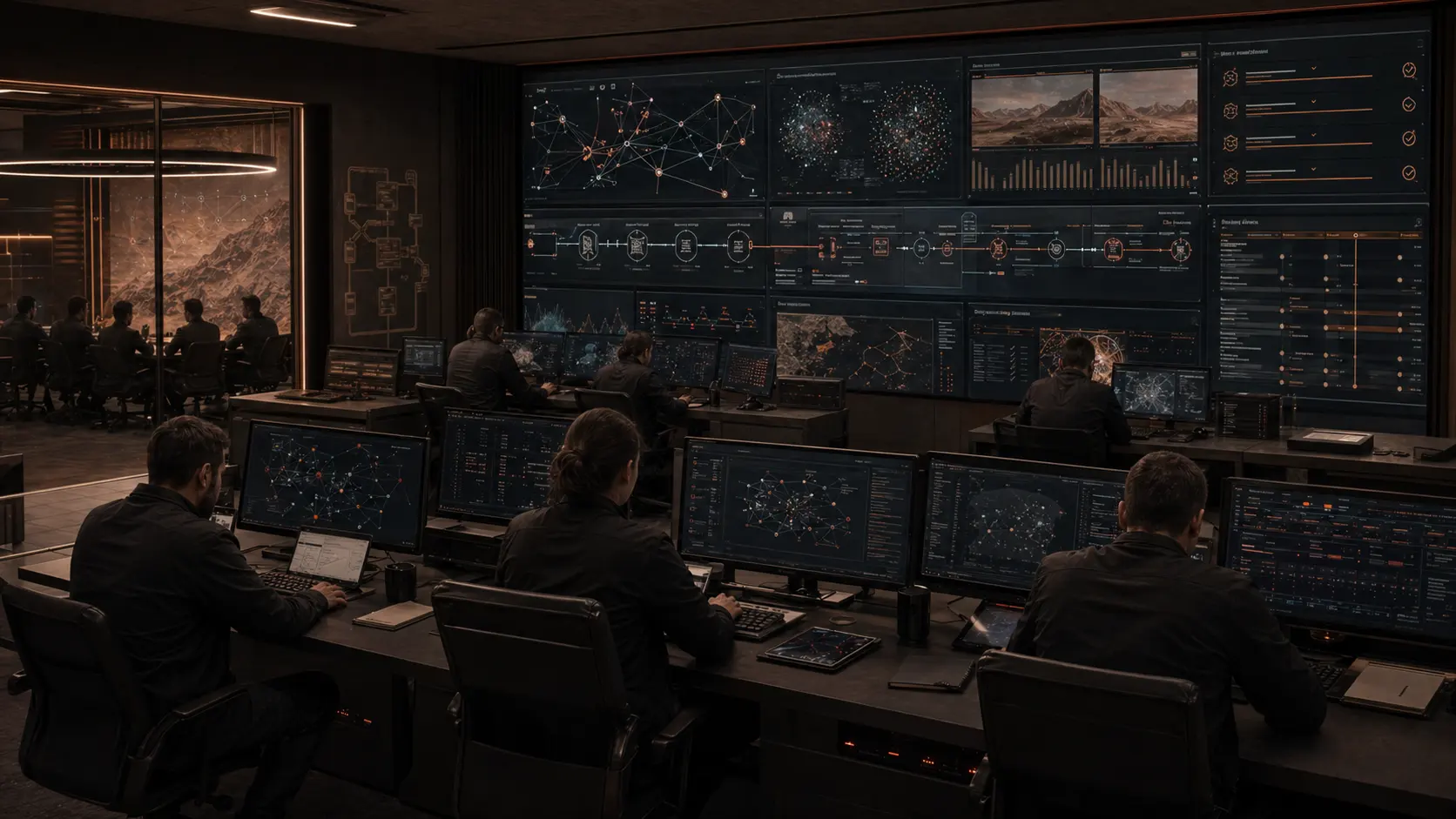
Starzl Adversarial AI
Red-team systems for models and networks. The same stack is used on critical-infrastructure defense.
Cloud frontier models are a poor fit
People will use AI against models and against infrastructure. Teams that have to deal with that need systems they control, not a third-party frontier model.
Cloud models add latency, unpredictable behavior, and an outside vendor in the loop. Knowledge collection, behavior tuning, and authorized adversary emulation have to run without that.
Three parts
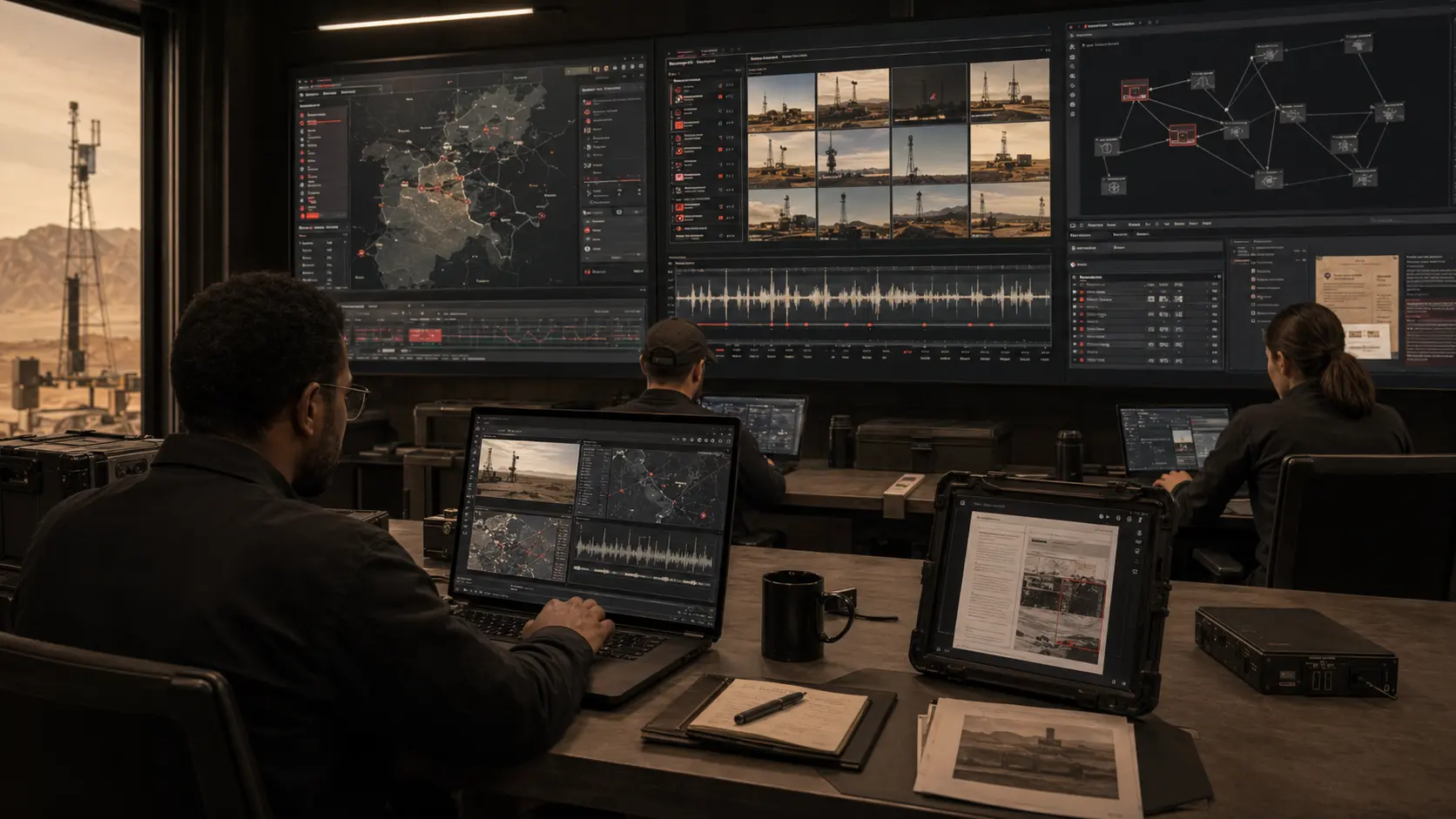
Knowledge collection, model-behavior tuning, and offensive agent teams. They can run as a red team against models, networks, and operators, or sit inside infrastructure defense.
Pulls structured knowledge out of video, web, and source material. Speech transcription, visual analysis, searchable stores, OCR, and chapter detection. Vector-backed repositories for retrieval and review.
We've collected about 45 trillion tokens of human-edited science and engineering text, plus cyber-operations material and code.
Tunes open-weight model behavior with profiles, recipes, and steering. Preference methods include DPO, KTO, ORPO, IPO, and SimPO. Reinforcement methods include RLHF, RLAIF, GRPO, DAPO, and GSPO. Adapter and surgical methods include LoRA, QLoRA, abliteration, and control vectors. We measure refusal, coherence, and capability before and after.
Builds agent teams that copy experienced operator workflows. Tasks are split, routed, and run under evaluator gates. The teams can run at the edge with no cloud link. Weak outputs are held. Nothing ships without an operator signing off, and every output is logged.
Specs
| Capability | Detail |
|---|---|
| Knowledge Tokens | 45T curated |
| Gate Pass Rate | Evaluator gates reject weak outputs; 75% (3/4 gates) shown in example |
| Release Control | 100% operator-approved release |
| Edge Deployment | Edge-deployable teams, no cloud link |
| Provenance | Every output is logged |
Same three pieces for red-team work and for infrastructure defense.
Typical sequence
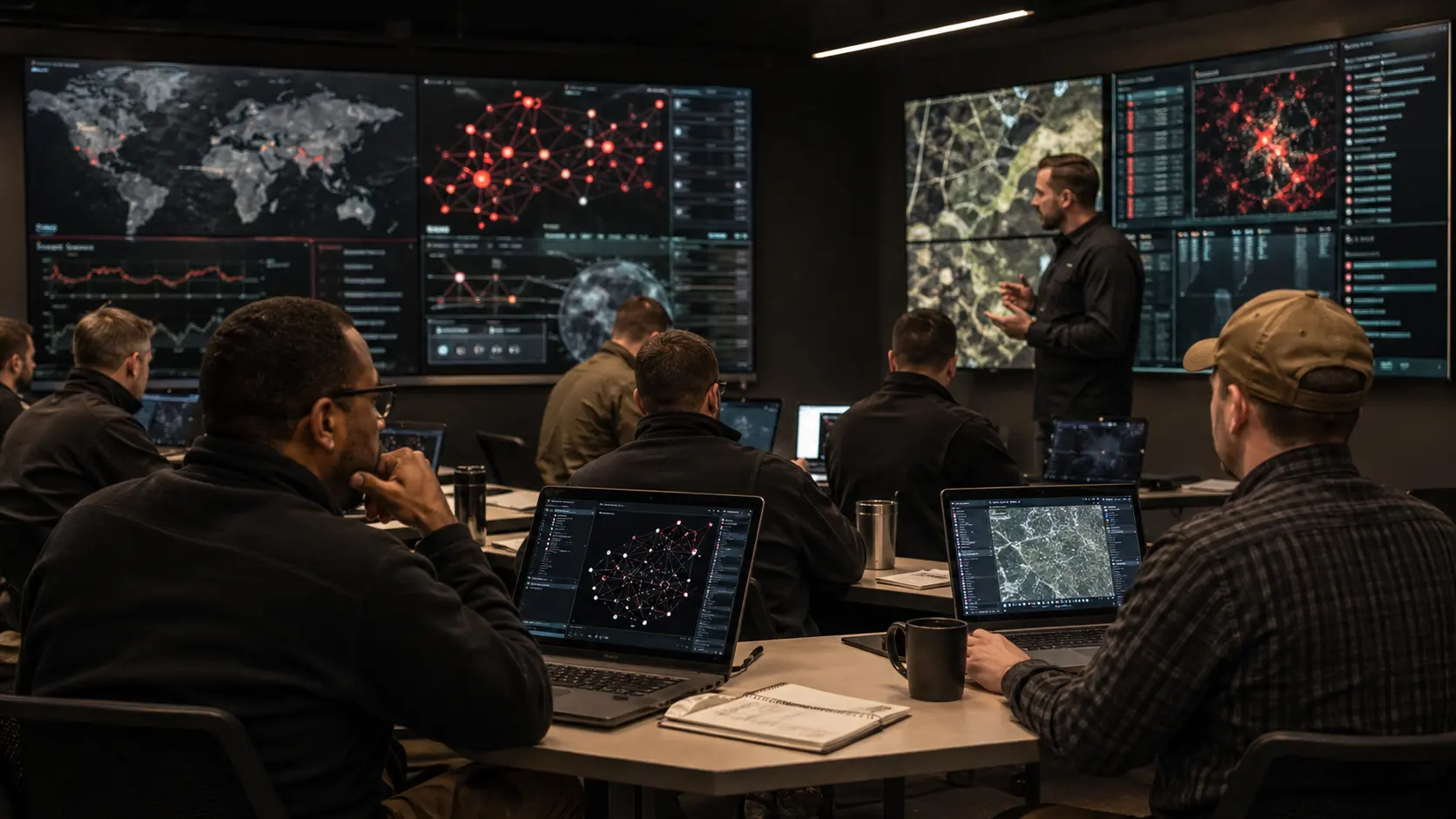
Collect knowledge, tune the model, compose a team, gate the output, get an operator approval, and keep a log.
AKAS extracts structured mission knowledge from video, web, and source material. Speech transcription, visual analysis, searchable knowledge troves. Vector-backed repositories for retrieval and review. Over 45 trillion curated tokens of science, engineering, cyber operations, and code.
Skill Realignment Suite tunes open-weight model behavior. Preference, reinforcement, and surgical methods. Before-and-after evaluation for refusal, coherence, and capability impact.
Edgerunner produces mission-oriented agent teams. Task decomposition, routing, execution under evaluator gates. Edge-deployable. No cloud link.
Evaluator gates reject weak outputs pre-release. Gate pass rate 75% (3/4 gates) shown in example. Weak outputs retry or hold.
100% operator-approved release. Nothing ships without human authorization. Human-in-the-loop on every release decision.
Provenance on every output. Every identification, task, and release logged and traceable.
Related work
RF processing, GPS-free navigation, and operator training.
Compresses IQ, classifies emitters, and sends the result over a constrained link.
Starzl EW →Position and timing from ambient RF. No GPS, no transmissions. Same feed maps nearby emitters.
Starzl PNT →The same listen-only feed catalogs transmitters: who they are, where they sit, and how they move.
Starzl PNT →Multi-day courses on AI, cyber, and OSINT. The skills stay useful when the software changes.
Starzl Operator Training →